
Food allergies, tested precisely
A food allergy is an immune reaction to a specific protein in a food, and it is diagnosed by combining a careful history with testing. This may be skin testing, component-resolved blood testing, and where the answer is still unclear, a supervised oral food challenge. Testing alone often cannot diagnose a food allergy, which is why so many people carry labels that turn out to be wrong.
A food allergy label follows a person for years. Confirming one — or safely removing it — is worth doing properly.
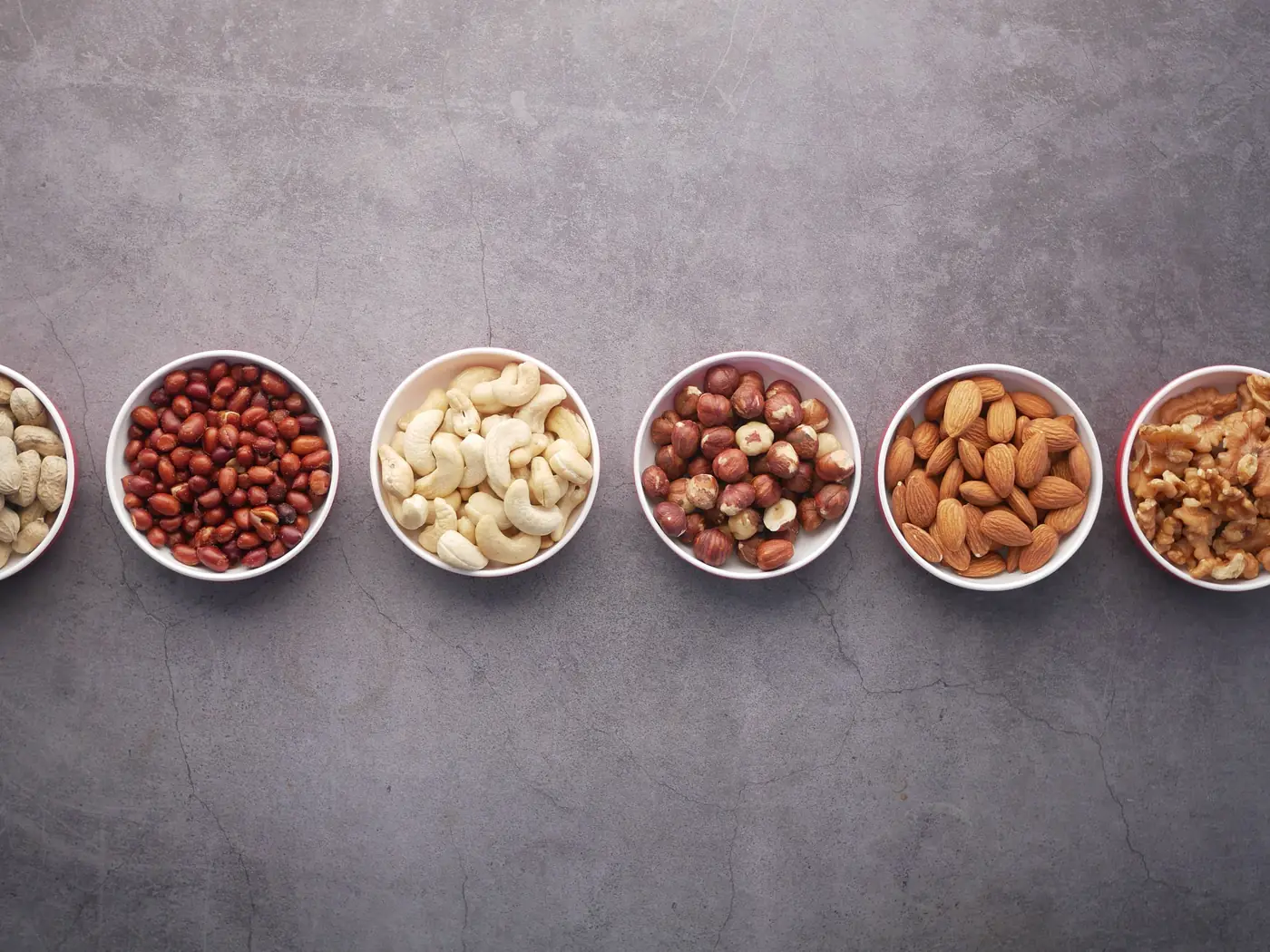
Does any of this sound like your food allergy?
- A reaction happened and nobody has established what caused it
- Your child carries a diagnosis made on assumption or without proper testing
- You are avoiding foods you may not actually need to avoid
- You want to know whether something can be reintroduced, and how
What a food allergy evaluation can involve
Component testing
Testing against the specific proteins in a food rather than the food as a whole, which is what separates a real allergy from a cross-reaction.
Supervised oral challenges
Carried out in the clinic under observation — the definitive way to confirm or rule out a food allergy.
Reintroduction guidance
When a food can be reintroduced, you receive a clear plan and pathway forward.
Children and adults
Dr. Stanga treats both, and explains results to the child as well as to the parent.

Component testing, and what it tells you
Standard food allergy testing tells you whether you react to a food. Component testing tells you which protein within that food you react to — and that distinction frequently changes the answer.
Peanut is the clearest example. Both of the patterns below show up as “peanut allergy” on a standard test.
Ara h 2 or Ara h 6
- Associated with a meaningfully higher risk of a systemic reaction
Ara h 8
- Usually reflects cross-reactivity with birch pollen
- Typically produces itching in the mouth rather than a dangerous reaction
They are not the same clinical situation and they should not lead to the same advice.
The same principle applies across foods, each with components that distinguish higher-risk from lower-risk patterns.
Foods with component testing available
- Peanut
- Hazelnut
- Cashew
- Egg
- Milk
- Wheat
This is the testing that determines whether a food genuinely needs to be avoided or whether it has been avoided unnecessarily for years.
Oral food challenges
An oral food challenge is the definitive test for a food allergy, and it is the only one that can confirm a food is safe to eat.
A very small quantity
The food is given under observation, beginning well below any amount expected to cause a reaction.
Increasing at set intervals
The amount goes up on a fixed schedule. All emergency medication is on standby and you are monitored 1:1.
Back into the diet
If nothing has happened by the end of the session, the food can be returned to the diet.
Challenges are offered when the history and testing point toward the allergy having resolved or never having been present. They are not done when testing indicates a high probability of reaction.
- 4–5 hrs
- how long a session runs
- $399
- per challenge
- 1
- physician present throughout
Reactions during a challenge sometimes do happen — that is the nature of the test — and the clinic is equipped and staffed for that. Epinephrine is immediately available and a physician is present throughout.
Emergency planning, and when to use epinephrine
Anyone with a confirmed food allergy that carries systemic risk leaves with a written emergency action plan and a prescription for an epinephrine auto-injector.
The plan sets out which symptoms mean give epinephrine now, and which can be watched.
Give epinephrine now
- Difficulty breathing
- Throat tightness
- Repeated vomiting
- Dizziness or faintness
- Symptoms in two different body systems at once
What the plan also says
- Epinephrine given early is safer than epinephrine given late
- Hesitation is the more common error, not over-treatment
Copies go to school or daycare where relevant, and the plan is written so that someone who is not a clinician can follow it under pressure.
Every fee is published before you book — what testing costs sets out the figures for this. When the answer turns out to be a program rather than a prescription, four different immunotherapy treatments become options to assist your symptoms. What a first visit involves walks through the visit itself, and Dr. Stanga runs all of it — the evaluation, the testing and the plan.
WHAT YOU LEAVE WITH
A confirmed food allergy list rather than an inherited one, and clear guidance on what can safely come back onto the plate.




Questions about food allergy
Can a food allergy be outgrown?
Many are. Milk, egg, wheat and soy allergies are frequently outgrown during childhood. Peanut, tree nut, fish and shellfish allergies are less often outgrown but it does happen. Periodic retesting, and where appropriate a supervised challenge, is how you find out rather than assuming either way.
My child was diagnosed by a blood test alone. Is that enough?
Often it is not. A positive blood test shows sensitization, not necessarily clinical allergy, and panels run without a matching history produce a substantial number of false positives — which is how children end up avoiding foods they could safely eat. A history-led evaluation with component testing, and a challenge where indicated, is what establishes the real picture.
What is the difference between a food allergy and a food intolerance?
A food allergy is an immune response and can be life-threatening. An intolerance — lactose intolerance is the common example — is a digestive process, causes discomfort rather than danger, and does not involve the immune system. They are frequently confused, and the distinction determines everything about how the food is handled.
Do you treat food allergies, or only diagnose them?
Both. Alongside diagnosis and emergency planning, Allergenix offers food sublingual immunotherapy, a supervised program aimed at gradually increasing the amount of a food you can tolerate. This is called food desensitization.
Is oral food challenge safe?
Reactions can occur during challenges — the test would not be meaningful otherwise — and the procedure exists precisely so that any reaction happens in a controlled setting. A physician is present throughout, epinephrine is immediately available, and you are observed after the final dose. Challenges are only offered when the prior testing suggests a reaction is unlikely.
How much does this cost?
A Food Allergy Evaluation is $425, covering the consultation, testing to every indicated food and a written anaphylaxis action plan. A supervised oral food challenge is $399 and is priced separately from it. See the full price list for everything else.
A different approach to allergy treatment starts here
Enrollment takes about two minutes. We'll confirm your visit within one business day and send everything you need beforehand.