595 S 60th St, Suite 160 · West Des Moines, IA 50266Mon–Fri 8:00 AM – 4:30 PM
● ACCEPTING NEW PATIENTS515-644-8448
For dental & oral surgery patients · West Des Moines, Iowa

Your Procedure Doesn't Have to Wait

Your dentist or oral surgeon asked you to see an allergist before treatment. Usually that means something in your history needs a clear answer first: a penicillin allergy, a reaction to numbing medicine, swelling after a past visit, or a sensitivity to a dental material. We get you that answer quickly and send it straight back to your dental team.

Implants · bone grafts · wisdom teeth & extractions · gum surgery · root canals · crowns, veneers & cosmetic work

  • 72 hoursReferred patients seen within
  • 1 visitMost evaluations finished in
  • Board-certifiedAllergy & Immunology physician
  • Every visitConsult note sent to your dentist
Why it matters

An allergy in your chart changes your treatment

Dental surgery and cosmetic work depend on three things going right: the right antibiotic to protect healing, the right numbing medicine to keep you comfortable, and materials your body tolerates for years.

When your chart says "allergic" and nobody knows for sure, your dental team has to work around it. That can mean a second-choice antibiotic, a postponed surgery date, a different material than your dentist wanted, or a lot of worry on the day of your procedure.

An allergist sorts out what is a true allergy and what isn't. Most of the time, the answer opens up better options for your care.
1 in 10

Americans report a penicillin allergy.

Source: CDC
9 in 10

of them can safely take penicillin once properly evaluated.

Source: CDC
Rare

True allergy to dental numbing medicine. Most reactions come from adrenaline in the injection, anxiety, or fainting.

With an unconfirmed penicillin label

Your surgeon works around it

  • You get a second-choice antibiotic, often clindamycin, before implants, grafts or extractions.
  • Clindamycin carries a higher risk of C. diff (Clostridioides difficile), a serious intestinal infection, and the American Heart Association no longer recommends it for dental antibiotic coverage.
  • Studies of dental implant patients have found higher implant failure rates among people carrying a penicillin allergy label.
  • The label follows you to every future surgery, hospital stay and infection.
After testing clears you

Your surgeon uses the first choice

  • Amoxicillin, the standard antibiotic for implants, bone grafts, extractions and gum surgery, is back on the table.
  • The label comes off your record, with written documentation sent to your dentist, surgeon and primary care physician.
  • Your surgery stays on schedule because you're seen within 72 hours of referral.
  • The benefit lasts well beyond this procedure, for every antibiotic decision you'll face in the future.
Reasons to be seen

Eight reasons your dental team sends patients to us

Pick your procedure to see the reasons that matter most for you, or browse them all.

ImplantsSurgeryEveryday

Penicillin allergy label

Why it matters
Amoxicillin is the go-to antibiotic around implants, bone grafts, wisdom teeth and other extractions, and gum surgery. A penicillin label forces your surgeon to a second-choice drug with more side effects.
What we do
We review what happened, then perform skin testing and/or a supervised oral amoxicillin challenge in our office. If you pass, we remove the label and send documentation to your care team.
EverydayCosmeticSurgery

Local anesthetic reaction

Why it matters
A racing heart, shakiness or fainting after a dental numbing injection is common, and it usually comes from the adrenaline in the anesthetic, nerves, or a fainting response. True allergy is rare, but the label alone can stop treatment.
What we do
We review which anesthetic you received and test for it. When your dentist requests it, we also run a supervised challenge with the exact anesthetic they plan to use. We also look at sulfites, a preservative in cartridges that contain adrenaline.
EverydaySurgery

Latex or chlorhexidine

Why it matters
Latex shows up in gloves and dams. Chlorhexidine is in prescription mouth rinses and surgical skin prep, and the FDA has warned it can cause rare but serious allergic reactions, including anaphylaxis. It is easy to overlook.
What we do
Blood and skin testing to confirm or rule out the trigger, and a clear avoid list for your dental and surgical team.
ImplantsRestorative

Metal sensitivity

Why it matters
Nickel, cobalt, chromium and palladium appear in some crowns, bridges, partial frameworks and orthodontic wires. True titanium allergy is rare and standard patch tests can't reliably detect it, and we'll be straight with you about what testing can and can't show.
What we do
Patch testing to the relevant metals, read over several days, plus guidance on compatible materials like zirconia or ceramic.
CosmeticRestorative

Acrylates & bonding materials

Why it matters
Acrylates in bonding resins, veneer cements, temporary crowns, dentures and clear aligners can cause burning, sore gums or swollen lips. If you've ever reacted to gel or acrylic nails, tell your dentist: it's the same chemical family.
What we do
Patch testing to identify the specific acrylate, so your dentist can choose materials you'll tolerate long term.
CosmeticGum healthKids

Mouth breathing & nasal allergies

Why it matters
A blocked nose means breathing through your mouth day and night. A dry mouth raises the risk of cavities, gum inflammation, bad breath and staining, and can shorten the life of cosmetic work. In children, long-term mouth breathing affects how the face and palate grow.
What we do
Allergy testing and a plan to get you breathing through your nose again, from nasal sprays to AeroSLIT drops to RapImmune®.
EverydaySurgery

Lip, tongue or facial swelling

Why it matters
Recurrent swelling is often angioedema, not a dental problem. Some cases come from common blood pressure medicines called ACE inhibitors. In hereditary angioedema, dental work itself can trigger swelling of the face or throat, so a prevention plan before procedures is essential.
What we do
A medication review and targeted lab work, and when needed, a pre-procedure prevention plan coordinated with your surgeon.
Everyday

Itchy mouth with fresh foods

Why it matters
Itching or tingling of the lips, mouth or throat with fresh fruit, raw vegetables or nuts is often pollen-food allergy, also called oral allergy syndrome. Patients often mention it to their dentist first. It's usually mild, but some nut reactions are serious.
What we do
Pollen and food testing to separate the mild pattern from a true food allergy, and a clear plan for what's safe to eat.
Your visit

From referral to back in the chair

Most evaluations take one visit with Dr. Stanga. You leave knowing what you can safely receive, and your dental team gets the same answer in writing.

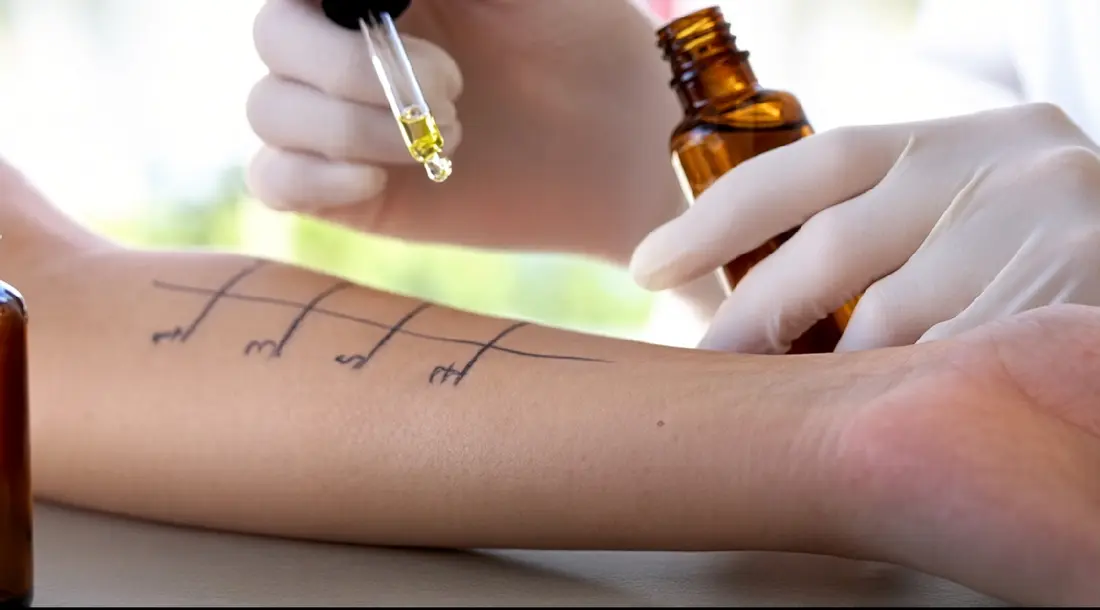
Allergy skin testing on a patient's forearm
01

You're referred

Your dentist or surgeon sends us your name and the reason. You can also book directly online or by phone.

02

Seen within 72 hours

Fast access keeps your implant, graft or cosmetic case on its original timeline.

03

Testing, done right

History, skin or blood testing, and a supervised challenge when needed, all in our West Des Moines office.

04

Results to your team

A consult note goes to your dentist or surgeon after every visit, with clear guidance on what's safe to use.

Before your appointment

  • Patients should be off antihistamines for 5 to 7 days before skin testing. This includes Zyrtec, Allegra, Claritin, Xyzal, Benadryl, and many sleep aids and cold medicines. If you've taken one recently, let us know when you book.
  • Keep taking asthma inhalers, steroids and all prescribed medicines unless we tell you otherwise.
  • Tell us if you take a beta-blocker, since it can affect testing.
  • Plan for up to three hours for a penicillin or local anesthetic evaluation.

Not sure about a medicine? Call us at 515-644-8448 before you stop anything.

What to bring

  • The name of the medicine or material you reacted to, what happened, and roughly when.
  • Dental or medical records from that visit, if you have them.
  • Your planned procedure date, and the antibiotic, anesthetic or materials your dentist plans to use.
  • A list of every medicine and supplement you take.
  • If your dentist wants a specific anesthetic tested, a cartridge of it from their office.
For nasal allergies & mouth breathing

RapImmune® Rapid Immunotherapy

Traditional allergy shots often mean 100 or more injections over three to five years. RapImmune® is our intralymphatic immunotherapy program: a tiny amount of allergen placed directly into a lymph node under ultrasound guidance, in three visits over about two months. No weekly shots, no daily drops.

3visits, over about two months
1–2injections per session
Ultrasoundguided, into a lymph node

Allergenix is the only provider of this treatment in Iowa, Minnesota, Nebraska, North Dakota, South Dakota and Wisconsin.

Why it matters for your smile

  • Breathing through your nose keeps your mouth moist, which protects teeth, gums and cosmetic work.
  • Comfortable nasal breathing makes long dental appointments easier when your mouth has to stay open.
  • Three visits fit around a dental treatment plan far more easily than years of weekly shots.
  • For children with allergy-driven mouth breathing, treating the nose supports healthy facial and palate growth.
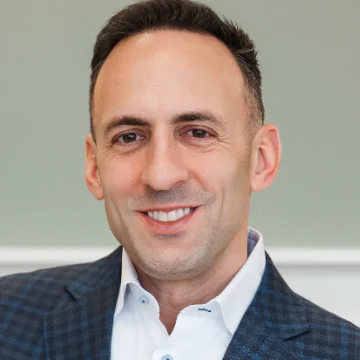
Dr. Sean Stanga, M.D.
Your patient will see

Dr. Sean Stanga, M.D.

Every patient at Allergenix is seen personally by Dr. Stanga, a board-certified allergist and immunologist with more than 15 years of clinical experience. He completed his allergy and immunology fellowship at Children's Mercy Hospital in Kansas City and is also board-certified in pediatrics, so children referred by their dentist or orthodontist are in experienced hands.

Board-certified, Allergy & ImmunologyBoard-certified, PediatricsFellowship, Children's Mercy Kansas City15+ years in practice

Allergenix operates independently of insurance networks, with transparent pricing shared before your visit. That model is what lets us offer prompt, priority access to dental patients.

See our pricing →
Questions

What patients usually ask

Will this delay my dental procedure?

That's exactly what we work to avoid. Referred patients are seen within 72 hours, most evaluations are finished in one visit, and your consult note goes to your dentist or surgeon right after.

Is penicillin testing safe?

Yes. Testing is done step by step under physician supervision in a clinic equipped to treat reactions. Serious reactions during testing are uncommon, and testing is far safer than guessing during surgery.

What if testing shows I really am allergic?

Then you and your dental team know for certain, and we give your dentist a specific list of safe alternatives so your treatment can still move forward.

Do I need a referral to be seen?

No. You can book directly online or by phone. If your dentist or surgeon refers you, we make sure they receive your results.

Can my child be seen?

Yes. Dr. Stanga is board-certified in pediatrics as well as allergy and immunology, and sees children for medication reactions, nasal allergies and mouth breathing.

How does pricing work?

We work outside insurance networks with transparent pricing, shared before your visit. You can see our published prices at allergenix.com/pricing, or call us at 515-644-8448.

For dental & oral surgery offices

Referring a patient?

Send the patient's name, phone number and reason for referral, plus the procedure date if one is scheduled. Every patient is seen personally by Dr. Stanga, and a consult note returns to your office after every visit.

Phone515-644-8448
Fax949-920-9431
Emailinfo@allergenix.com
HoursMon–Fri, 8:00 AM – 4:30 PM
Get your answer

Keep your procedure on schedule

515·644·8448

595 S. 60th St., Suite 160, West Des Moines, IA 50266 · info@allergenix.com

Call NowBook Online