
Dust Mite Allergy Symptoms: Causes, Treatment, and Winter Relief
Dust mite allergies are a common cause of year-round nasal congestion, sneezing, itchy eyes, and other respiratory symptoms. Unlike seasonal pollen allergies, dust mite allergy symptoms can occur throughout the year because dust mites live indoors, particularly in bedding, carpets, and upholstered furniture.
Dust mite allergies are a common cause of year-round nasal congestion, sneezing, itchy eyes, and other respiratory symptoms. Unlike seasonal pollen allergies, dust mite allergy symptoms can occur throughout the year because dust mites live indoors, particularly in bedding, carpets, and upholstered furniture.
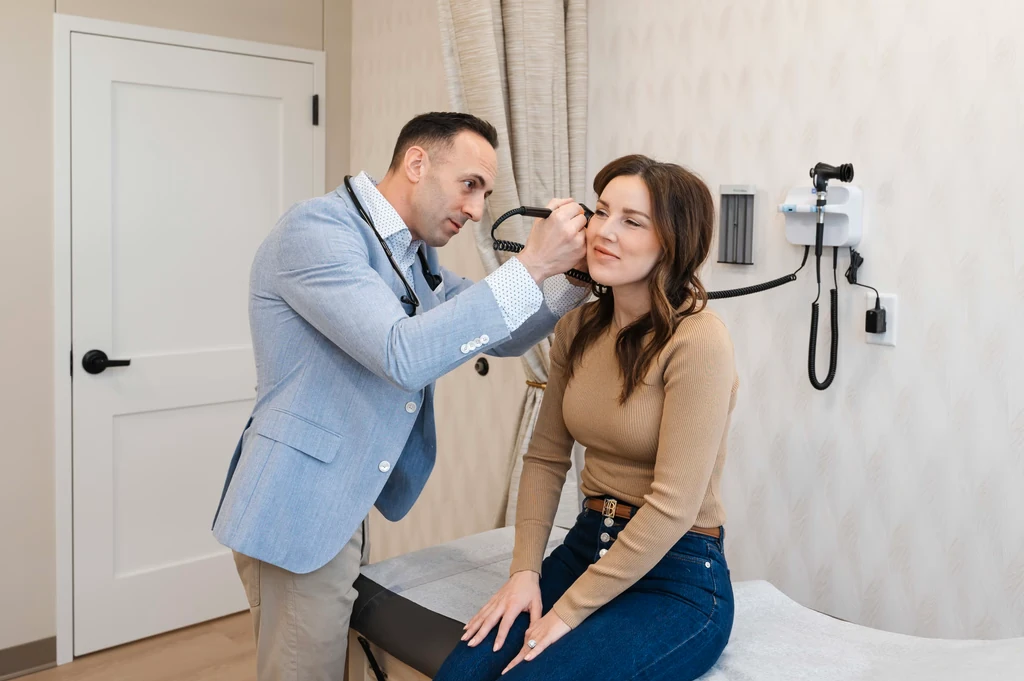
Causes and Treatments for Dust Mite Allergy Symptoms
Dust mite allergy symptoms may become more noticeable during winter when people spend more time indoors and homes have less ventilation. However, dust mite exposure varies depending on:
- Household humidity
- Cleaning practices
- Indoor conditions
Identifying the cause of your symptoms is the first step toward effective treatment. Allergy testing, environmental changes, medications, and immunotherapy may help provide relief.
This Guide Covers
- Common dust mite allergy symptoms
- Why dust mite allergies may worsen during winter
- Where dust mites live and what causes allergic reactions
- How dust mite allergies are diagnosed
- Ways to reduce dust mites in your home
- Treatment options for dust mite allergies
- Frequently asked questions about symptoms and prevention
What Are the Common Dust Mite Allergy Symptoms?
Dust mite allergies occur when the immune system reacts to proteins found in dust mite waste particles and body fragments.
These allergens can trigger inflammation in the nose, eyes, and airways, producing symptoms similar to seasonal allergies or a common cold.
Reactions to proteins in dust mite waste, in the nose, eyes, and airways.
- Nasal congestion. A stuffy or blocked nose, especially during the night or early morning.
- Sneezing. Frequent sneezing after waking up or when exposed to household dust.
- Runny nose. Persistent nasal discharge without an obvious respiratory infection.
- Itchy or watery eyes. Eye irritation, redness, or excessive tearing.
- Post-nasal drip. Mucus draining into the throat, sometimes causing throat clearing or coughing.
- Persistent cough. Coughing associated with nasal irritation or allergy-related airway inflammation.
- Wheezing or shortness of breath. Respiratory symptoms in individuals with allergic asthma.
Common dust mite allergy symptoms include:
- Nasal congestion: A stuffy or blocked nose, especially during the night or early morning.
- Sneezing: Frequent sneezing after waking up or when exposed to household dust.
- Runny nose: Persistent nasal discharge without an obvious respiratory infection.
- Itchy or watery eyes: Eye irritation, redness, or excessive tearing.
- Post-nasal drip: Mucus draining into the throat, sometimes causing throat clearing or coughing.
- Persistent cough: Coughing associated with nasal irritation or allergy-related airway inflammation.
- Wheezing or shortness of breath: Respiratory symptoms in individuals with allergic asthma.
Why Do Dust Mite Allergy Symptoms Get Worse in Winter?
Dust mites are present throughout the year, but some individuals notice increased allergy symptoms during colder months.
Several indoor environmental factors may contribute to this pattern.
Four indoor factors that increase exposure during colder months.
- 1Increased time indoorsMore time inside raises exposure to allergens in bedding, furniture, and carpeting.
- 2Indoor heating and air circulationHeating circulates air and may redistribute dust, though dry air is less favorable for mites.
- 3Indoor humidity levelsDust mites thrive in humid air; keeping indoor humidity below 50% helps limit their growth.
- 4Allergen accumulation in beddingMattresses, pillows, and bedding collect allergens, adding to morning congestion and sneezing.
1. Increased Time Indoors
During winter, people spend more time inside their homes, increasing their exposure to allergens found in bedding, furniture, and carpeting.
Closed windows and reduced ventilation may also affect indoor allergen exposure.
2. Indoor Heating and Air Circulation
Heating systems circulate indoor air and may redistribute dust and other airborne particles.
However, forced-air heating does not necessarily increase dust mite populations. Dry indoor air can actually make conditions less favorable for dust mites.
3. Indoor Humidity Levels
Dust mites thrive in warm, humid environments.
Although winter air is often dry, indoor humidifiers and poorly ventilated areas may maintain moisture levels that support dust mite populations.
Keeping indoor humidity below 50% can help limit their growth.
4. Allergen Accumulation in Bedding
Mattresses, pillows, and bedding can collect dust mite allergens throughout the year.
Prolonged exposure during sleep may contribute to morning congestion, sneezing, and other symptoms.
Managing bedroom allergens is an important part of reducing dust mite allergy symptoms during winter.
What Causes Dust Mite Allergies?
Dust mites are microscopic organisms related to spiders. They feed primarily on dead skin cells and thrive in environments with sufficient humidity.
They do not bite humans or spread diseases.
However, proteins found in their waste and body fragments can trigger allergic reactions in sensitive individuals.
Dust mites are commonly found in:
- Mattresses and pillows
- Bed sheets and blankets
- Carpets and rugs
- Upholstered furniture
- Curtains and other fabrics
- Stuffed toys
Dust Mite Allergy Symptoms vs. a Common Cold
Dust mite allergies and viral respiratory infections can cause similar symptoms, particularly nasal congestion, sneezing, and coughing.
However, several differences may help identify the cause.
| Symptom or Pattern | Dust Mite Allergy | Common Cold |
|---|---|---|
| Duration | May continue for weeks or throughout the year | Usually improves within 1–2 weeks |
| Sneezing | Common | Common |
| Nasal congestion | Common | Common |
| Itchy, watery eyes | Common | Less common |
| Fever | Not typical | Sometimes present |
| Symptoms after indoor exposure | May worsen | Not generally linked to indoor allergens |
| Morning symptoms | Often noticeable | Can occur at any time |
How Are Dust Mite Allergies Diagnosed?
An allergist can evaluate persistent dust mite allergy symptoms through a medical history review and appropriate allergy testing.
Common diagnostic methods include:
Skin Prick Testing
Skin prick testing involves applying a small amount of dust mite allergen extract to the skin.
A localized reaction may indicate allergic sensitivity. Results are typically available within 15–20 minutes.
Specific IgE Blood Testing
Specific IgE blood testing measures antibodies associated with sensitivity to dust mite allergens.
This option may be recommended when skin testing is unsuitable.
A positive test indicates allergic sensitization but does not automatically confirm that dust mites are responsible for the patient's symptoms.
How to Reduce Dust Mite Allergens at Home
Reducing exposure to dust mites may help improve symptoms, especially when combined with appropriate medical treatment.
Practical steps that lower indoor exposure alongside medical treatment.
- Use allergen-proof mattress and pillow covers. Zippered covers create a barrier between the sleeper and allergens within bedding.
- Wash bedding weekly. Hot-water washing at approximately 130°F can kill dust mites; follow fabric care instructions.
- Control indoor humidity. Keep relative indoor humidity below 50%, ideally around 35 to 50%, using a hygrometer.
- Reduce carpeting and fabric surfaces. Where practical, use hard flooring and washable furnishings, particularly in bedrooms.
- Vacuum with HEPA filtration. A HEPA-filter vacuum reduces household dust; purifiers help with some airborne particles.
Use Allergen-Proof Mattress and Pillow Covers
Dust mites commonly accumulate in mattresses and pillows.
Allergen-proof, zippered covers create a barrier between the sleeper and allergens found within bedding.
Wash Bedding Weekly
Wash sheets, pillowcases, and blankets regularly to remove dust mite allergens.
Hot-water washing at approximately 130°F can kill dust mites, but effective cleaning and drying methods can also help remove allergens. Follow fabric care instructions and take precautions to avoid scalding.
Control Indoor Humidity
Keep relative indoor humidity below 50%, ideally around 35–50%.
Use a hygrometer to monitor humidity levels and consider a dehumidifier when necessary.
Avoid excessive humidifier use, particularly in bedrooms.
Reduce Carpeting and Fabric Surfaces
Carpets, rugs, and upholstered furniture can collect dust mite allergens.
Where practical, use hard flooring and washable furnishings, particularly in bedrooms.
Vacuum With HEPA Filtration
Use a vacuum cleaner equipped with a HEPA filter to reduce household dust and allergens.
People with severe allergies may benefit from having someone else vacuum or wearing an appropriate mask during cleaning.
HEPA air purifiers may help remove some airborne particles, but they should not replace bedding protection and other dust mite reduction measures.
Dust Mite Allergy Treatment Options
Treatment for dust mite allergies generally includes allergen reduction, medications, and immunotherapy when appropriate.
1. Antihistamines
Oral or nasal antihistamines can help relieve sneezing, itching, and runny nose caused by allergic reactions.
They provide symptom relief but do not eliminate the underlying allergy.
2. Nasal Corticosteroid Sprays
Intranasal corticosteroids reduce inflammation inside the nasal passages.
They are commonly recommended for persistent allergic rhinitis symptoms, including congestion, sneezing, and nasal irritation.
Regular use as directed may provide more effective symptom control than occasional use.
3. Allergy Immunotherapy
Allergen immunotherapy may be recommended when environmental controls and medications do not adequately manage symptoms.
Immunotherapy gradually exposes the immune system to controlled amounts of allergens to reduce sensitivity over time.
Treatment options include:
Allergy Shots (SCIT)
Subcutaneous immunotherapy involves regular injections administered under medical supervision. It is an established treatment for selected environmental allergies, including dust mites, and typically requires several years.
Sublingual Immunotherapy (SLIT)
SLIT delivers allergens under the tongue.
An FDA-approved dust mite allergy tablet is available for eligible patients. Some allergy clinics also offer customized allergy drops, although these drops are not FDA-approved in the United States.
Intralymphatic Immunotherapy (ILIT)
ILIT is an emerging treatment that delivers allergens directly into a lymph node. See Allergenix section on RapImmune to learn more about this promising, fast alternative to long term shots.
Dust Mite Allergy Testing and Treatment in West Des Moines, Iowa
At Allergenix Allergy & Immunology, Dr. Sean Stanga provides environmental allergy evaluations for patients experiencing persistent indoor allergy symptoms in West Des Moines and surrounding Central Iowa communities.
The clinic's Environmental Allergy Evaluation costs $450 and includes:
- A physician consultation
- Environmental allergy testing when indicated
- A review of allergy triggers and symptoms
- A personalized written treatment plan
For eligible patients, Allergenix also offers the following environmental allergy immunotherapy programs:
| Treatment | Program Details | Published Price |
|---|---|---|
| Environmental Allergy Drops (SLIT) | Customized daily drops administered at home | $1,900 per year |
| RapImmune® (ILIT) | Three ultrasound-guided injection visits over approximately eight weeks, with additional treatment when indicated | $3,500 one-time program fee |
Schedule an Environmental Allergy Evaluation at Allergenix to identify potential dust mite sensitivities and discuss treatment options for your symptoms.
Frequently Asked Questions About Dust Mite Allergy Symptoms
What are the first signs of a dust mite allergy?
Common early symptoms include sneezing, nasal congestion, a runny nose, and itchy or watery eyes. Some people notice symptoms after waking up or spending time in rooms with carpeting and upholstered furniture.
Can dust mite allergy symptoms get worse during winter?
Yes. Symptoms may become more noticeable during winter because of increased indoor exposure, reduced ventilation, and household humidity conditions. However, dust mites prefer humid environments, so winter does not necessarily increase their populations.
Can dust mites cause coughing and breathing problems?
Yes. Dust mite allergens can trigger coughing, wheezing, and shortness of breath, particularly in individuals with allergic asthma. Persistent breathing symptoms should be evaluated by a healthcare professional.
How do I know if I have a dust mite allergy?
An allergist can review your symptoms and perform skin prick testing or specific IgE blood testing. Results are interpreted alongside your medical history to determine whether dust mites are contributing to your symptoms.
What is the fastest way to relieve dust mite allergy symptoms?
Antihistamines may provide relatively quick relief from sneezing and itching. Nasal corticosteroids are often more effective for persistent congestion but may require consistent use. Reducing exposure to dust mites can also help improve symptom control.
Can dust mite allergies be cured permanently?
There is no guaranteed permanent cure. Allergy immunotherapy may reduce sensitivity and provide lasting symptom improvement for some patients, but individual results vary. Environmental controls and medications may still be necessary.
Do children experience dust mite allergy symptoms?
Yes. Children can develop nasal congestion, sneezing, itchy eyes, coughing, and other allergy-related symptoms. Dust mite allergies may also contribute to asthma or eczema symptoms in some children.
When should I see an allergist for dust mite allergies?
Consider an evaluation if symptoms persist throughout the year, interfere with sleep, worsen indoors, or continue despite appropriate over-the-counter treatments.
Also on the blog
- Allergy CareExpert Thanksgiving Food Allergy TipsPractical thanksgiving food allergy tips from a West Des Moines allergist: hidden allergens, what to ask your host, and keeping epinephrine ready.

- Allergy CareWhat Is Sublingual Immunotherapy for Food Allergy?Learn how sublingual immunotherapy for food allergies works, including benefits, risks, SLIT vs. OIT, treatment eligibility, and costs.
- Allergy CareRecurrent Sinus Infections Treatment: Causes, Options, and PreventionExplore recurrent sinus infections treatment options, including allergy testing, nasal sprays, sinus rinses, and when antibiotics may help.
A different approach to allergy treatment starts here
Book your visit online in a few minutes and pick a time that suits you. Have a question first? Send us a message or call the clinic.