
Expert Thanksgiving Food Allergy Tips
Practical thanksgiving food allergy tips from a West Des Moines allergist, hidden allergens, what to ask your host, and keeping epinephrine ready.
Practical thanksgiving food allergy tips from a West Des Moines allergist, hidden allergens, what to ask your host, and keeping epinephrine ready.
Questions to Ask the Host During Thanksgiving
Thanksgiving meals can be challenging for individuals and families managing food allergies.
Many traditional holiday dishes contain common allergens, including:
- wheat
- dairy
- eggs
- soy
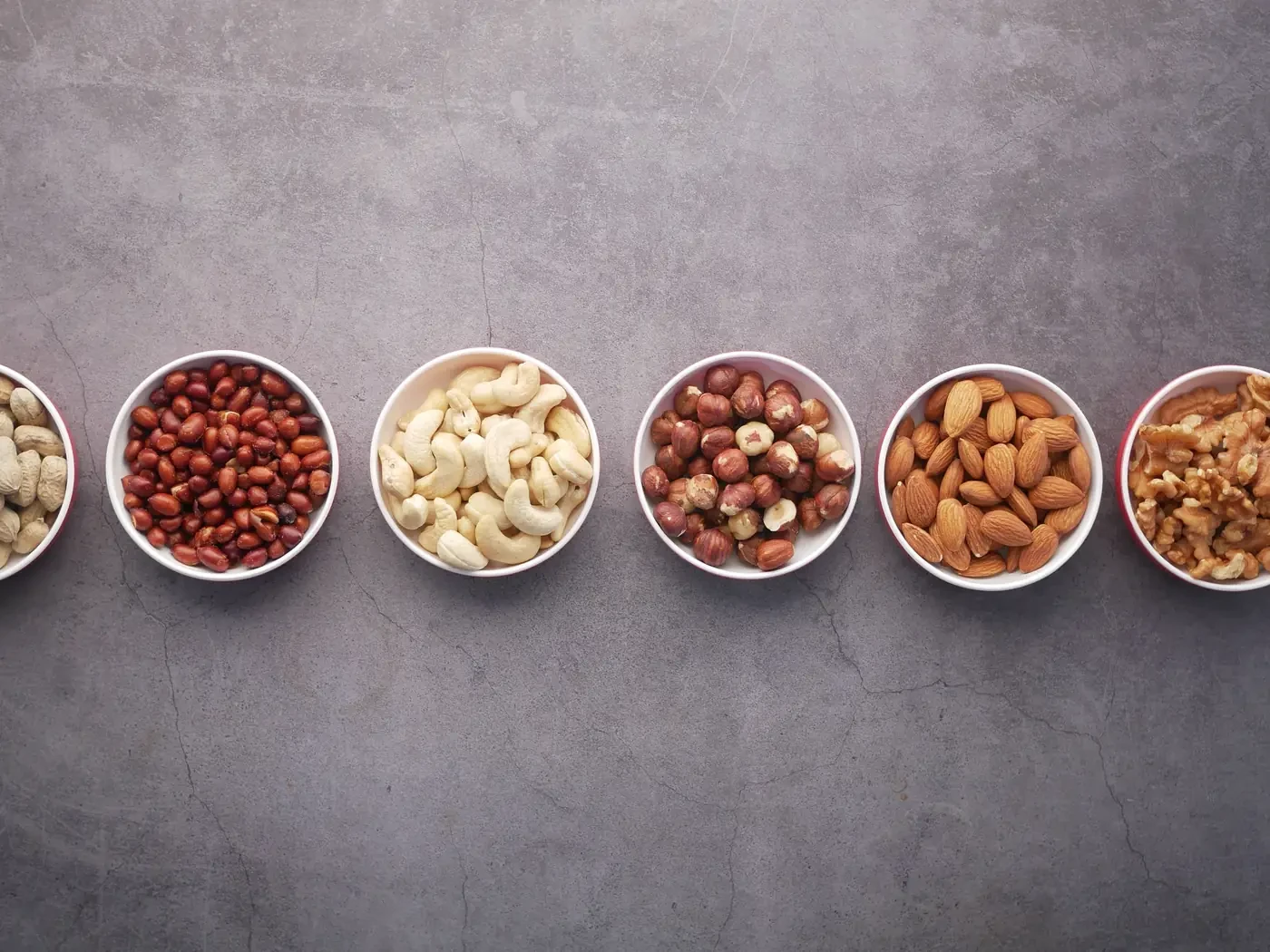
- tree nuts
With proper preparation, you can reduce the risk of allergic reactions and enjoy Thanksgiving safely. Understanding which dishes may contain allergens, communicating with your host ahead of time, and taking precautions against cross-contact are important steps.
These Thanksgiving food allergy tips will help you identify hidden allergens, ask the right questions before the meal, and prepare for a safer holiday gathering.
This article explains:
- Hidden allergens on the Thanksgiving
- Thanksgiving food allergy tips: the questions worth asking the host
- Bringing a safe dish and managing cross-contact
- How to keep your emergency plan ready
- Questions people ask in the exam room
Hidden allergens on the Thanksgiving
One of the most important thanksgiving food allergy tips is simply learning where allergens hide, because on this holiday they rarely announce themselves.
Most people assume the turkey is the thing to watch, but the turkey is rarely the problem, it is everything around it.
Stuffing is usually built on bread (wheat) and sometimes studded with pecans or walnuts. Pumpkin and pecan pies carry egg, dairy, and tree nuts.
The beloved green bean casserole hides dairy, wheat, and soy in its creamy base and fried onions.
Even the gravy is often thickened with flour, which means wheat.
Here is a quick reference you can glance at before the meal:
| Common Thanksgiving dish | Likely hidden allergens | What to ask |
|---|---|---|
| Stuffing / dressing | Wheat, tree nuts | "Is it bread-based? Any nuts added?" |
| Pumpkin or pecan pie | Egg, dairy, tree nuts | "Store-bought or homemade? Which brand?" |
| Green bean casserole | Dairy, wheat, soy | "Cream soup base? Fried onions?" |
| Gravy | Wheat (flour thickener) | "Thickened with flour or cornstarch?" |
| Deep-fried turkey | Peanut oil, cross-contact | "What oil is the fryer using?" |
The questions worth asking to a host
If you or a family member has food allergies, contact your Thanksgiving host a few days before the gathering to discuss the menu and ingredients.
Talk with your host a few days before the gathering.
- Contact the host a few days before. Give them time to check ingredient labels, adjust recipes, or accommodate dietary restrictions.
- Potential allergens. Ask which common allergens each dish may contain.
- Food preparation methods. Ask how dishes are cooked and what ingredients are used.
- Possible cross-contact. Ask whether allergens could transfer between foods or surfaces.
Asking about:
- Potential allergens
- Food preparation methods
- Possible cross-contact
All these can help reduce the risk of allergic reactions.
Communicating ahead of time also gives your host an opportunity to check ingredient labels, make adjustments to recipes, or accommodate specific dietary restrictions. This is one of the most important Thanksgiving food allergy tips for ensuring a safer holiday meal.
Questions to keep warm and specific:
- "What are you planning to make? I'd love to know so I can bring something safe to share."
- "Could you save me the packaging from the pie crust or the cream soup? I just want to double-check the label."
- "Are you frying the turkey? If so, what oil?"
- "Would it be okay if I plated my child's food first, before everything gets passed around?"
Most hosts are relieved to be asked. It takes the guesswork off their shoulders.
Bringing a safe dish and managing cross-contact
Bringing your own allergy-friendly dish to Thanksgiving is a practical way to ensure you or your family member has a safe meal option.
Prepare enough food for the person with allergies and check all ingredient labels before cooking, as manufacturers may change ingredients or allergen warnings without notice.
Preventing allergen cross-contact is equally important
Cross-contact occurs when an allergen is unintentionally transferred from one food or surface to another. This can happen through shared cooking utensils, cutting boards, serving spoons, or food preparation areas.
Keep allergens from transferring between foods and surfaces.
- Use separate utensils. Avoid sharing cooking tools and serving spoons between allergen and allergy-friendly foods.
- Clean preparation surfaces. Thoroughly wash countertops, cutting boards, and equipment before preparing allergy-friendly meals.
- Keep dishes separate. Store and serve allergy-friendly foods away from dishes containing known allergens.
- Serve allergy-friendly meals first. Plate individual servings before shared utensils can introduce allergens.
To reduce the risk of cross-contact during Thanksgiving:
- Use separate utensils: Avoid sharing cooking tools and serving spoons between dishes containing allergens and allergy-friendly foods.
- Clean preparation surfaces: Thoroughly wash countertops, cutting boards, and other cooking equipment before preparing allergy-friendly meals.
- Keep dishes separate: Store and serve allergy-friendly foods away from dishes containing known allergens.
- Serve allergy-friendly meals first: Prepare individual plates before shared serving utensils can introduce allergens.
Get a food allergy evaluation before thanksgiving
If you are unsure which foods trigger your symptoms, consider scheduling a food allergy evaluation ($425) to discuss appropriate testing and receive personalized recommendations for managing food allergies.
Depending on your allergy history and diagnosis, your allergist may also discuss treatment options such as food allergy sublingual immunotherapy (SLIT), when appropriate. A professional evaluation can help you better understand your allergies and make informed decisions about food safety during the holidays.
Keep your emergency plan ready during Thanksgiving
Preparation is reassuring.
Carry two epinephrine auto-injectors, always two, because a single dose sometimes is not enough and help can be minutes away. Make sure they have not expired, and keep them with you at the table, not out in the car.
Tell one trusted person at the gathering where the injectors are and how to use them.
If your child is old enough, give them simple words: "If a food isn't on your safe list, say no thank you and come find me”.
These small habits turn fear into confidence, which is really the goal behind all of these thanksgiving food allergy tips, a holiday you can actually enjoy.
Frequently Asked Questions About Thanksgiving Food Allergy Tips
Do you have thanksgiving food allergy tips for eating at a restaurant buffet instead of a home?
Yes, buffets are high cross contact environments because of shared serving spoons. Ask to speak with the manager or chef, ask for a freshly prepared plate from the kitchen, and avoid self-serve stations when possible.
My child has a mild egg allergy. Can they have a small bite of pie?
Please don't guess. Allergy severity can change from one reaction to the next, and "mild" history does not guarantee a mild next reaction. If you are unsure of your child's current status, get an evaluation before the holiday.
Is peanut oil in a fried turkey always dangerous?
Highly refined peanut oil is often tolerated, but unrefined or "gourmet" peanut oil can carry protein. Because you usually cannot tell which was used, treat a peanut-oil fryer as a risk if your allergy is to peanut.
How far ahead should I talk to my host?
A few days, enough time for them to adjust a recipe or save a label, but recent enough that plans are set.
Also on the blog
- Allergy CareWhat Is Sublingual Immunotherapy for Food Allergy?Learn how sublingual immunotherapy for food allergies works, including benefits, risks, SLIT vs. OIT, treatment eligibility, and costs.

- Allergy CareRecurrent Sinus Infections Treatment: Causes, Options, and PreventionExplore recurrent sinus infections treatment options, including allergy testing, nasal sprays, sinus rinses, and when antibiotics may help.
- Allergy CarePet Allergy Treatment Options in West Des Moines, IAExplore pet allergy treatment options for dog and cat allergies, including medications, allergy testing, immunotherapy, and ways to reduce allergens at home.
A different approach to allergy treatment starts here
Book your visit online in a few minutes and pick a time that suits you. Have a question first? Send us a message or call the clinic.